CLAYMONT, Dec. 23, 2025 (GLOBE NEWSWIRE) -- 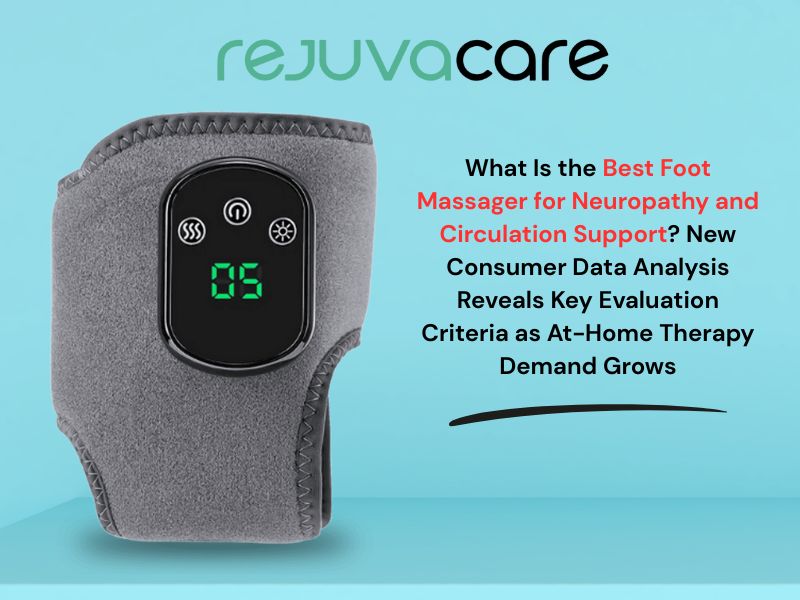
As more consumers prepare for 2026 wellness goals and search interest in at-home foot care solutions continues to climb, questions about how to evaluate therapeutic foot devices have become increasingly common. Search queries such as "best foot massager for circulation," "foot massager for numb feet," and "at-home foot therapy devices" have become more common as consumers seek non-invasive wellness options. The at-home foot massager market now includes dozens of branded options ranging from basic heat-only devices under $60 to premium multi-function systems exceeding $200, creating decision complexity for individuals navigating foot discomfort.
In response to this growing consumer interest, RejuvaCare LLC has released updated review data and evaluation criteria for its FootRenew Triple Method Massager. According to the company, the device has accumulated over 1,900 customer reviews on its official website, with a reported 4.6-star average rating. This review milestone reflects broader market trends as people trying to stay active increasingly seek alternatives to recurring professional massage therapy expenses and options that may involve higher-cost clinical care pathways.
View the current FootRenew offer (official RejuvaCare page).
Disclaimer: This article is for informational purposes only and does not constitute medical advice. Individuals with neuropathy, chronic foot pain, circulation issues, diabetes, or other medical conditions should consult their healthcare provider before using any foot therapy device. This article contains affiliate links. If you purchase through these links, a commission may be earned at no additional cost to you. This compensation does not influence the accuracy or integrity of the information presented.
Why Are So Many People Searching for the "Best" Foot Massager Now?
Foot discomfort, tingling, numbness, and swelling are increasingly common complaints as populations age and sedentary lifestyles reduce natural circulation to the extremities. According to general wellness research, reduced blood flow to peripheral nerve tissue can contribute to discomfort, burning sensations, or cold feet.
Traditional approaches to managing these symptoms include professional massage therapy, typically ranging from $60-$120 per session and requiring ongoing scheduling and travel. Annual costs for weekly or biweekly sessions can reach several thousand dollars, though actual costs vary by location, provider, and insurance. These ranges are general illustrative examples based on typical out-of-pocket pricing. Medical interventions represent another pathway, with prescription medications for nerve-related discomfort carrying ongoing costs and potential side effects. More intensive clinical care pathways for severe nerve-related conditions can exceed $35,000 according to general healthcare cost estimates, with no guaranteed outcomes and significant recovery time. Basic at-home remedies such as warm foot soaks, compression socks, and manual massage provide temporary relief but require active effort and don't combine multiple therapeutic modalities.
This cost-accessibility gap has driven consumer interest in one-time purchase devices that offer therapeutic benefits without recurring expenses or intensive clinical procedures. As the market has expanded, people navigating foot discomfort face increasing complexity in evaluating which devices align with their specific needs and budgets.
How Consumers Are Defining the "Best" Foot Massager in 2026
There is no universally "best" foot massager. Instead, consumers typically evaluate devices based on multiple criteria that reflect individual needs, budget constraints, and specific therapeutic goals. The following framework represents common decision factors consumers consider when researching this category:
Intended Use Case: Relaxation vs. Circulation Support
Some consumers seek general relaxation and stress relief after long workdays. Others specifically target circulation-related concerns such as cold feet, occasional numbness, or tingling sensations commonly associated with reduced peripheral blood flow. Devices marketed for circulation support typically emphasize heat, compression, and massage combinations designed to promote blood flow to the extremities.
Therapeutic Modalities Offered
At-home foot massagers vary significantly in which therapeutic approaches they incorporate. Heat therapy uses adjustable warming elements designed to dilate blood vessels and improve local circulation. Some devices offer single-temperature heating, while others provide multiple heat settings for user customization. Massage functionality ranges from simple vibration to complex shiatsu-style kneading with rotating massage heads. More advanced devices may offer multiple massage modes and intensity levels. Compression therapy employs rhythmic air compression designed to mimic the natural pumping action of calf muscles, supporting venous return from the lower extremities. Not all foot massagers include compression functionality.
Consumers prioritizing circulation support typically look for devices combining all three modalities rather than single-function options.
Ease of Use & Accessibility
Setup complexity, weight, portability, and power requirements influence consumer preferences. Corded devices require outlet proximity, while cordless rechargeable models offer flexible positioning. Control interfaces range from simple on/off switches to multi-button panels or remote controls. Individuals with mobility limitations or older adults may prioritize intuitive, straightforward operation.
Price Range & Long-Term Cost Considerations
At-home foot massagers span a wide price spectrum. Entry-level options typically priced under $60 offer basic heat and vibration with limited adjustability. Mid-market devices generally priced under $150 provide combinations of heat, massage, and often compression with multiple settings, and are available in both cordless and corded configurations. Some include remote controls for ease of adjustment. Premium multi-function systems often exceeding $200 feature advanced massage mechanisms, calf massage integration, preset therapy programs, premium materials, heavier construction, and sometimes app connectivity or additional accessories.
People navigating foot discomfort often weigh upfront device cost against recurring professional massage therapy expenses or long-term medication costs for symptom management.
Transparency of Company Disclosures
Consumers increasingly evaluate whether brands provide clear information about device limitations and contraindications, realistic expectation-setting rather than exaggerated outcome claims, verifiable contact information and customer support accessibility, and transparent refund and return policies. This transparency factor has become more prominent as consumers become more sophisticated in identifying potential red flags in wellness product marketing.
Safety Considerations & Contraindications
Individuals with diagnosed medical conditions seek clear guidance about when professional medical treatment should take priority over consumer wellness devices. Devices marketed for neuropathy-related discomfort should explicitly state they are not medical devices and include appropriate healthcare consultation recommendations.
Return Policy & Consumer Protections
Satisfaction guarantees and return policies vary significantly across brands. Consumers evaluate the specific terms, conditions, and procedures outlined by companies when assessing purchase risk. Longer trial windows with clear eligibility requirements provide defined periods for consumers to evaluate effectiveness for their specific situations.
The Science Behind Combined Therapeutic Modalities
Published research has examined the individual modalities used in many foot therapy devices. These findings relate to the general mechanisms of heat, massage, and compression—not to any specific consumer product as a finished device.
A 2022 study published in PubMed (Binoy K., Darren T., Tim W., retrieved from https://pubmed.ncbi.nlm.nih.gov/36242050/) examined an 8-week treatment program using heat, massage, and compression in community-dwelling older adults. The research found that when these therapies are combined and applied to the plantar surface of the feet, they indirectly induce contraction of the calf muscle, activating the musculovenous pump and improving circulation.
This represents ingredient-level research on therapeutic mechanisms, not clinical validation of any specific consumer product. No consumer foot massager discussed in this article has been independently clinically studied as a finished device.
FootRenew as One Example Consumers Frequently Encounter
When researching circulation-support foot massagers, consumers frequently encounter the RejuvaCare FootRenew device. The following analysis examines FootRenew through the evaluation criteria framework outlined above, using publicly available information from the company's website and customer feedback data.
RejuvaCare's Positioning & Reported Features
According to RejuvaCare, FootRenew is designed to address circulation-related foot discomfort through what the company calls "Triple Method Technology" — combining heat, massage, and compression in a single cordless device. The brand positions FootRenew specifically for individuals experiencing symptoms commonly associated with reduced peripheral circulation, including cold feet, occasional numbness, or tingling sensations.
RejuvaCare reports that FootRenew incorporates adjustable heat therapy with multiple temperature settings, therapeutic massage targeting foot pressure points, and dynamic compression designed to promote blood flow. Earlier analysis of the Triple Method approach examined how these modalities work in combination.
Reported Review Data & Customer Feedback Themes
According to RejuvaCare, the FootRenew device has received more than 1,900 customer-submitted reviews on its official website, reflecting reported user experiences at the time of publication (December 2025). The company reports a 4.6-star average rating across this review base.
Common themes from customer feedback published on the company's website include immediate comfort during use, with multiple reviewers describing sensations of warmth, pressure relief, and muscle relaxation during 15-30 minute treatment sessions. Users frequently mention the convenience factor and the ability to use the device at home while watching television, reading, or resting—eliminating scheduling and travel requirements associated with professional appointments. Several customers note the cordless design preference, citing the rechargeable battery design as a convenience advantage compared to corded alternatives. Some reviewers report improved evening comfort, noting that using FootRenew before bedtime contributes to reduced foot discomfort and improved sleep onset.
Important caveats: These reviews are self-selected. Satisfied customers are more likely to post feedback than those with neutral or negative experiences. Individual experiences do not represent typical results. Results vary significantly based on age, baseline health condition, consistency of use, severity of underlying issues, and other individual factors.
Pricing Positioning Within Market Categories
According to RejuvaCare's website, FootRenew pricing and multi-unit options may vary over time and by availability. At the time of publication (Dec. 23, 2025), the brand displayed a starting price of $49.99 on its official product page, with additional multi-unit options listed. This positions FootRenew within the entry-to-mid-market category based on publicly available pricing structures across the foot massager market. The device is priced below many premium multi-function foot massage systems that retail above $200, based on publicly available market pricing, while remaining comparable to other entry-to-mid-market foot massage devices offering heat, massage, and compression features.
All pricing mentioned was accurate at the time of publication (December 2025) but is subject to change. Verify current pricing on the official RejuvaCare website before purchasing.
View the current FootRenew offer (official RejuvaCare page).
Consumer Protections: Return Policy & Guarantee
According to RejuvaCare's published refund policy, the company offers a 90-day guarantee subject to stated conditions, including eligibility requirements and return procedures outlined on the official website. The policy includes specific terms regarding proper product use and timing for return initiation. Readers should review the current policy terms directly with RejuvaCare before purchasing to understand all applicable conditions.
Transparency & Disclosure Assessment
RejuvaCare's website includes several transparency elements that align with consumer evaluation criteria. Clear contact information is provided, with phone support (+1 302-261-9613), email (support@rejuvacare.com), business hours (8 AM-11 PM EST), and physical address (Claymont, Delaware) publicly listed. The company's terms of service explicitly position FootRenew as marketed for personal wellness use, not as a medical device. Product materials recommend individuals with diagnosed medical conditions consult healthcare providers before use. Unlike some wellness product marketing that promises dramatic transformation, RejuvaCare's materials frame FootRenew as a circulation-support tool requiring consistent daily use rather than a one-session solution.
Who Should Consider Circulation-Support Foot Massagers
Rather than recommending specific products, the following self-assessment framework helps consumers determine whether circulation-support foot massagers generally align with their needs:
This Category May Align Well With Individuals Who:
Experience circulation-related foot discomfort. If you notice cold feet, occasional numbness, or tingling sensations that may be related to reduced blood flow, devices targeting circulation support address this mechanism. Earlier analysis of foot massager devices for aging adults examined circulation as a primary consideration for this demographic.
Seek alternatives to recurring professional care costs. If you currently pay for regular massage therapy sessions but find the cost or time commitment unsustainable, one-time purchase devices offer ongoing accessibility without per-session fees.
Prefer at-home convenience. If scheduling, travel, or mobility challenges make professional appointments difficult, at-home devices eliminate these barriers.
Want multi-modal therapy approaches. If you're interested in devices that combine heat, massage, and compression rather than single-function options, mid-market devices typically offer this combination.
Other Approaches May Be Preferable For Individuals Who:
Have diagnosed serious medical conditions. Diabetic neuropathy, peripheral artery disease, deep vein thrombosis, or other serious circulatory disorders require medical treatment rather than consumer wellness devices. At-home massagers are not substitutes for professional medical care.
Need extremely wide size accommodation. Individuals with feet significantly larger than men's size 13-14 may find size limitations across many foot massager models, regardless of brand.
Prioritize FSA/HSA reimbursement. If reducing out-of-pocket costs through health spending accounts is a primary consideration, verify specific device eligibility before purchase, as not all brands provide FSA/HSA documentation.
Prefer calf massage integration. If circulation support for calves is equally important as feet, premium devices with dedicated calf functionality may better serve combined needs than foot-only options.
Questions to Ask Yourself Before Purchasing
Have I consulted a healthcare provider to rule out serious underlying conditions requiring medical treatment? Is my foot discomfort primarily related to circulation, or could structural issues, injury, or metabolic conditions be involved? Do I have 15-30 minutes daily to dedicate to seated treatment sessions? Is cordless portability important to me, or am I comfortable with outlet-dependent corded models? What is my budget range, and am I comparing one-time device costs against recurring professional care expenses? Which therapeutic modalities are most important to me—heat, massage, compression, or all three?
Your answers help determine which approach—whether circulation-support foot massagers generally, specific branded devices, professional massage therapy, medical treatment, or other solutions—best matches your specific situation.
What to Expect: Realistic Timelines for Circulation-Support Devices
Consumer foot massager brands typically do not publish guaranteed week-by-week outcome timelines. Based on general principles of circulation-support therapy and themes from customer reviews across multiple brands, users may notice the following rough patterns, though individual experiences vary widely.
During the first few uses (days 1-7), immediate sensations during use typically include warmth, pressure relief, and muscle relaxation. This reflects acute effects of heat and massage on soft tissue rather than long-term circulation improvement. During the first few weeks (weeks 1-4), with consistent daily use, individuals exploring circulation-support benefits may begin noticing improved comfort between sessions. The cumulative effect of repeated circulation stimulation may help reduce frequency of discomfort episodes. Beyond one month, long-term users focused on ongoing maintenance may experience more consistent comfort levels and reduced reliance on reactive pain management strategies. Devices in this category are positioned as daily wellness tools rather than one-time interventions.
These timelines represent patterns observed in general therapeutic use, not guarantees. Individual responses vary based on age, baseline health condition, consistency of use, severity of underlying issues, and other lifestyle factors.
Safety Considerations Across All Foot Massager Devices
Regardless of brand or specific device, certain individuals should exercise caution or consult healthcare providers before using circulation-support foot massagers.
Individuals with heat sensitivity and reduced sensation, particularly those with reduced sensation in the feet (common in diabetic neuropathy), may not accurately perceive when heat becomes excessive. Users with compromised sensation should start at lower heat intensities and visually inspect feet after use.
Individuals with circulatory and vascular conditions, including diagnosed peripheral artery disease, deep vein thrombosis, or other vascular conditions, should consult their physician before using compression-based devices. While compression can support healthy circulation in some contexts, it may be contraindicated in certain medical situations.
According to general wellness guidance, pregnant individuals should consult their healthcare provider before using heat or compression therapies on the lower extremities, particularly in later trimesters when circulation changes and swelling are common.
Individuals taking blood thinners, blood pressure medications, or other circulatory-affecting medications should discuss foot therapy devices with their prescribing physician to ensure no contraindications exist.
This safety overview is not exhaustive and does not replace consultation with a qualified healthcare provider. Always review user manuals that accompany any foot massager device and consult your physician if you have health concerns before starting use.
Comparing Foot Massager Categories: Entry, Mid-Market, and Premium
Rather than ranking specific branded products, consumers often find it helpful to understand category-level differences.
Entry-level devices, typically priced under $60, offer basic heat and simple vibration with limited or no compression functionality and simple on/off controls with minimal adjustability. These devices are best suited for consumers seeking general relaxation on a tight budget who don't require targeted circulation support or multiple therapeutic modalities. Limitations include less comprehensive features for individuals specifically targeting circulation-related concerns and potentially reduced durability for daily long-term use.
Mid-market devices, generally priced under $150, provide combinations of heat, massage, and often compression with multiple intensity settings and massage modes. These are available in both cordless and corded configurations and may include remote controls for ease of adjustment. They work well for consumers seeking circulation support with customizable settings at moderate price points, particularly individuals comparing device costs against recurring professional massage expenses. Limitations include the potential absence of advanced features like calf massage, preset programs, or app connectivity found in premium tiers.
Premium multi-function systems, often exceeding $200, feature advanced massage mechanisms, calf massage integration, preset therapy programs, premium materials, heavier construction, and sometimes app connectivity or additional accessories. These devices serve consumers prioritizing maximum feature sets and willing to invest higher upfront costs for comprehensive functionality. Limitations include higher price points that may not be justified for users who only need basic circulation support, and heavier units that may be less portable.
According to publicly available pricing, FootRenew falls within the entry-to-mid-market category. Previous examination of heated foot massager features analyzed positioning within this market tier.
The Final Assessment: How to Decide What's "Best" For You
There is no objective "best" foot massager that suits all consumers. The optimal choice depends on individual circumstances.
Budget-conscious consumers should note that entry-to-mid-market devices combining heat, massage, and compression offer value for consumers who don't require premium features. Compare one-time device costs against annualized professional massage expenses to evaluate long-term economics.
For medical condition management, individuals with diagnosed circulatory disorders or neuropathy should prioritize medical treatment over consumer wellness devices. At-home massagers may complement medical care but should never replace professional treatment.
Feature prioritization matters. Identify which therapeutic modalities matter most to you. If calf massage is essential, premium devices offer this. If foot-specific therapy suffices, entry-to-mid-market options provide adequate functionality at lower costs.
Policy review matters. Carefully review specific return policies, warranty terms, and eligibility requirements before purchasing. Different brands structure their consumer protections differently, with varying conditions and procedures.
Transparency signals quality. Brands providing clear contact information, realistic expectation-setting, explicit healthcare consultation recommendations, and accessible customer support demonstrate consumer-first positioning that typically correlates with better user experiences.
Important note: The at-home foot massager industry has experienced significant growth as consumers seek alternatives to professional care costs. As with any wellness product category experiencing rapid expansion, individuals should review the most current information about any device's features, pricing, warranty terms, and customer feedback before purchasing. Individual needs, health status, and budget considerations vary significantly among consumers, making "best" a highly personalized determination.
View the current FootRenew offer (official RejuvaCare page).
Contact Information
For questions about FootRenew, according to the company's website, RejuvaCare offers customer support:
Phone: +1 (302) 261-9613
Email: support@rejuvacare.com
Hours: 8 AM to 11 PM EST (Holiday hours may differ)
Address: 2803 Philadelphia Pike, Claymont, Delaware 19703, United States
Disclaimers
Editorial Disclaimer: This article is for informational purposes only and does not constitute medical advice. The information provided reflects publicly available details from RejuvaCare's website and general industry knowledge. Always verify current terms, pricing, and product details directly with companies before making purchasing decisions.
Medical Disclaimer: This article is educational and does not replace professional medical advice. Individuals with neuropathy, chronic foot pain, circulation issues, diabetes, or other medical conditions should consult their healthcare provider before using any foot therapy device. Do not discontinue prescribed treatments without your physician's guidance.
Results May Vary: Individual experiences with foot massagers vary based on factors including age, baseline health condition, consistency of use, and individual physiology. Customer reviews represent self-selected experiences and should not be interpreted as typical or guaranteed outcomes.
FTC Affiliate Disclosure: This article contains affiliate links. If you purchase through these links, a commission may be earned at no additional cost to you. This compensation does not influence the accuracy, neutrality, or integrity of the information presented. All descriptions are based on publicly available information.
Pricing Disclaimer: All pricing information, promotional offers, and product availability mentioned were based on publicly available information at the time of publication (December 2025) and are subject to change without notice. Always verify current pricing and terms directly with companies before purchasing.
Publisher Responsibility Disclaimer: The publisher of this article has made every effort to ensure accuracy at the time of publication based on publicly available information. We do not accept responsibility for errors, omissions, or outcomes resulting from the use of the information provided. Readers are encouraged to verify all details directly with companies before making decisions.
Contact:
- Company: RejuvaCare LLC
- Email: support@rejuvacare.com
- Phone: +1 (302) 261-9613
- Website: https://www.rejuvacare.com

Email: support@rejuvacare.com
Phone: +1 (302) 261-9613