
MoldStar Remediation announced the release of its latest blog post, “Will Mold Cause Cancer? Understanding Risks and Prevention Strategies.” The company published the article to address one of the most common questions homeowners ask after they discover mold in a house. The post explains what mold is, how it spreads, what health effects research supports, and why prevention depends on moisture control and timely cleanup.
MoldStar Remediation serves homeowners and businesses in Marietta, East Cobb, and the greater Atlanta area. The company states that many indoor mold problems start in damp spaces such as basements, crawl spaces, bathrooms, and laundry rooms. Mold can grow when building materials stay wet after a leak or long-term humidity. Mold can also spread when airflow moves spores from one area to another.
“People often feel alarmed when they see mold on a wall or smell a musty odor,” said Alex Laldin, Marketing Director at MoldStar Remediation. “Many people ask if mold can cause cancer. Our blog explains what research supports, what is still unclear, and what homeowners can do right now to reduce exposure and protect indoor air.”
The blog explains that mold is a fungus that grows in moist environments. Mold spreads by releasing spores into the air. Spores can exist indoors and outdoors. Spores can enter a home through doors, windows, and vents. Spores can also travel inside on clothing, shoes, and pets. Mold can start growing when spores land on damp surfaces and find the moisture needed for growth.
The blog explains that research strongly links indoor mold exposure to respiratory symptoms, allergic reactions, and irritation. The blog also explains that questions about cancer risk often come from concern about mycotoxins. Mycotoxins are toxic substances that some molds can produce under certain conditions. The blog states that typical residential mold exposure has clear respiratory and allergy effects, but direct links between common household mold exposure and specific cancers remain uncertain and still require more study.
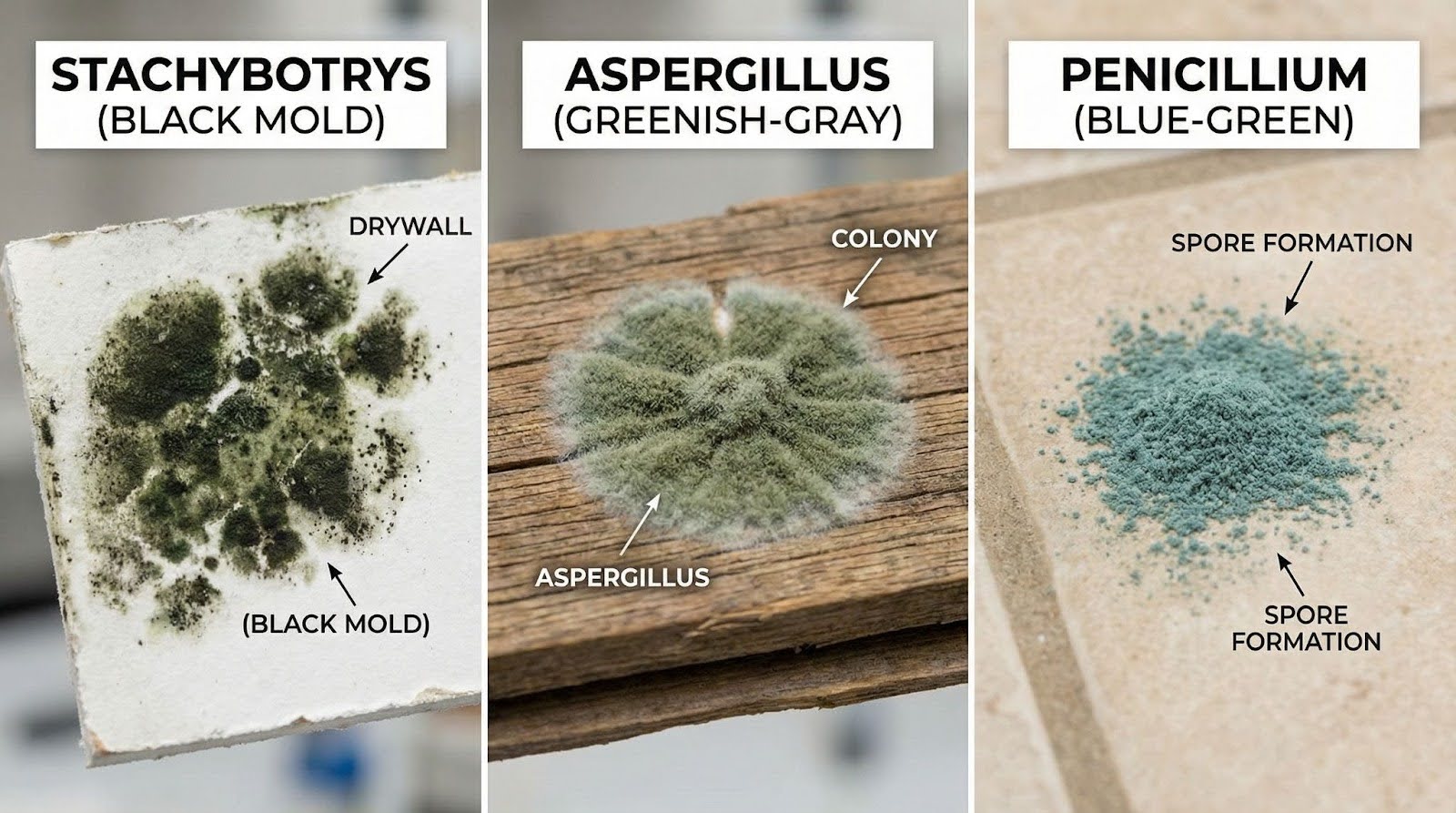
MoldStar Remediation explains that many types of mold can grow indoors. The blog discusses black mold, which people often associate with severe water damage. The blog identifies black mold as Stachybotrys chartarum. The post states that this mold can develop in areas with long-term dampness. The blog explains that black mold exposure can link to respiratory symptoms, allergic reactions, and other health issues, especially in people who have asthma, allergies, or immune system weakness. The blog states that some strains of black mold can produce mycotoxins, which can increase concern about long-term exposure.
The blog also discusses Aspergillus and Penicillium, which are common indoor molds. The blog states that Aspergillus can cause allergic reactions and can worsen asthma symptoms. The blog explains that some people can develop a lung condition called allergic bronchopulmonary aspergillosis. This condition can occur when the immune system reacts strongly in the lungs. The blog also states that people with very weak immune systems can face serious fungal infections from Aspergillus.
“Mold does not affect every person the same way,” Laldin said. “Some people have mild symptoms, and some people struggle with severe reactions. We want homeowners to take mold seriously, especially if they have asthma, allergies, or immune system concerns.”
The blog explains that mold often grows in places where moisture collects. Mold can develop in bathrooms with poor ventilation. Mold can develop in basements with damp walls. Mold can develop in crawl spaces that trap humid air. Mold can also grow in kitchens and laundry rooms when plumbing leaks or condensation remains. Mold can grow on drywall, wood, ceiling tiles, and carpet when these materials stay wet.
The blog lists common health effects linked to mold exposure. The blog states that mold exposure can cause sneezing, congestion, and allergy symptoms. Mold exposure can cause coughing, wheezing, and asthma flare-ups. Mold exposure can cause sore throat, irritated eyes, and skin reactions. Mold exposure can also worsen existing respiratory conditions. The blog explains that some people may develop more serious lung problems after long exposure in heavily contaminated environments. The blog notes that hypersensitivity pneumonitis is one example of a serious inflammatory lung condition linked to environmental exposure.
The blog discusses cancer concerns in a direct way. The blog states that certain mycotoxins are known carcinogens in specific settings. The blog gives an example of some Aspergillus-related mycotoxins in foods that link to liver cancer in high-dose dietary exposure scenarios. The blog also explains that for normal residential indoor mold, evidence does not clearly establish that mold in the home directly causes cancer such as lung cancer. The blog states that research continues in this area, and many factors influence cancer risk. MoldStar Remediation states that homeowners should still treat mold as a real health concern because of proven respiratory risks and the role mold can play in indoor air problems.
The blog also explains why black mold exposure raises urgent concern. The blog states that large black mold growth on water-damaged building materials can release spores and may involve mycotoxins. The blog describes symptoms that can include persistent coughing, shortness of breath, and worsening asthma. The blog also lists fatigue, headaches, and irritation of the eyes, nose, throat, and skin. The blog notes that people with weak immune systems face higher risk for severe complications.
“Mold problems can affect daily life in a real way,” Laldin said. “Even if cancer risk is not clear in normal household exposure, mold can still cause serious issues for breathing and overall comfort. Our message is simple. Stop the moisture and remove the mold the right way.”
The blog explains prevention strategies in clear terms. The post states that moisture control is the foundation of mold prevention. Homeowners should fix roof leaks and plumbing leaks quickly. Homeowners should check around sinks, tubs, and toilets for hidden moisture. Homeowners should watch for foundation seepage and water stains. Homeowners should keep gutters working and ensure water drains away from the home.
The blog explains that ventilation and humidity control help prevent mold growth. The blog states that exhaust fans can remove moisture in bathrooms and kitchens. The blog states that air conditioning and dehumidifiers can help keep indoor humidity lower. The blog notes that many experts recommend indoor humidity stay below about 50 percent when possible. The blog explains that airflow can reduce damp conditions, but homeowners should consider outdoor humidity levels before opening windows.
The blog also explains that quick drying steps matter after spills or minor water events. The blog states that homeowners should dry damp areas within 24 to 48 hours. This time window reduces the chance of mold growth on wet materials. The blog also states that porous materials may need removal when they remain wet and moldy. The blog notes that carpet padding, drywall, and ceiling tiles can hold mold and moisture. The blog explains that some small areas on hard surfaces may be cleaned with proper protection, but large contaminated areas need a professional evaluation.
MoldStar Remediation states that homeowners should seek professional help when they see widespread mold, smell strong musty odors, or face repeated water issues. The company also encourages medical support for people with persistent symptoms. The blog explains that a healthcare provider can evaluate symptoms and rule out other causes. The blog emphasizes that the blog post is informational and does not provide medical advice.
MoldStar Remediation provides inspection and remediation services designed to locate mold, address water sources, and reduce airborne spores. The company states that its team uses containment barriers, HEPA filtration, and professional cleaning methods during remediation. MoldStar Remediation also works to identify moisture sources so the mold does not return after cleanup.
“We focus on clear inspections and safe removal methods,” Laldin said. “We also focus on prevention steps because mold usually returns when moisture stays in place. Homeowners deserve a clean and dry home after remediation.”
MoldStar Remediation invites homeowners and property managers in Marietta, East Cobb, and the Atlanta area to read the blog and learn more about mold risks and prevention strategies. The company encourages early action because mold growth can spread quickly in damp conditions. The company also states that fast response can reduce damage to drywall, wood, and flooring.
MoldStar Remediation is a mold inspection and remediation company serving Marietta, East Cobb, and the greater Atlanta area. The company helps homeowners and businesses identify mold growth, moisture intrusion, and indoor air quality concerns that can affect comfort and health. MoldStar Remediation provides professional mold inspections, moisture source checks, and remediation services that address visible and hidden contamination. The company uses containment methods, HEPA filtration, and proven cleaning techniques to reduce airborne mold spores during removal. MoldStar Remediation also helps clients prevent future mold problems by identifying leak sources, improving moisture control, and supporting long-term indoor dryness.
###
For more information about MoldStar Remediation, contact the company here:
MoldStar Remediation
Alex Laldin
(404) 585-7319
moldstarremediationpr@gmail.com
3926 Samuel Chapel Ct, Marietta, GA 30066